Finding Balance: Understanding Kratom and Cravings
For many people exploring natural alternatives for wellness, kratom has emerged as a botanical of interest—particularly when it comes to managing cravings. Whether you’re curious about kratom itself or trying to understand its relationship with cravings, this guide offers a balanced look at what you need to know.
Understanding kratom and cravings is essential for anyone considering its use in managing appetite or dependency issues.
What Is Kratom?
Kratom (Mitragyna speciosa) is a tropical tree native to Southeast Asia, where its leaves have been used traditionally for centuries. The leaves contain compounds called alkaloids, primarily mitragynine and 7-hydroxymitragynine, which interact with opioid receptors in the brain—though kratom itself is not an opioid.
The Craving Connection
People discuss kratom in relation to cravings in two main contexts:
Managing External Cravings: Some individuals use kratom as part of their strategy to address cravings for other substances, particularly in the context of opioid dependency or alcohol use. The plant’s interaction with opioid receptors may help some people manage withdrawal symptoms and reduce cravings during recovery, though this use remains controversial and lacks robust clinical research.
For individuals seeking a comprehensive approach, understanding kratom and cravings can guide better decision-making.
Kratom Cravings Themselves: Regular kratom users may develop their own cravings for the substance. Like many botanicals that affect brain chemistry, kratom has the potential to create psychological and physical dependence with consistent use.
By understanding kratom and cravings, users can mitigate potential negative effects and enhance their experience.
Understanding the Nuances
If you’re considering kratom for managing cravings, several factors deserve careful consideration:
Understanding kratom and cravings involves assessing individual responses and adjusting usage accordingly.
Strain and Dosage Matter: Kratom comes in different “strains” (really just different drying and processing methods) that users report having varying effects. Red strains are typically associated with relaxation and pain relief, while white and green strains may be more stimulating. Dosage significantly impacts effects, with lower doses often being more energizing and higher doses more sedating.
Users who grasp the connection between understanding kratom and cravings often report more balanced outcomes.
The Dependency Question: While some view kratom as a harm reduction tool—potentially less dangerous than the substances people are trying to quit—it’s important to recognize that kratom itself can lead to dependence. Regular users may experience withdrawal symptoms when stopping, including irritability, muscle aches, insomnia, and yes, cravings for kratom itself.
Being aware of understanding kratom and cravings can prevent the development of dependency.
Legal and Safety Landscape: Kratom’s legal status varies by location, and it remains unregulated by the FDA in the United States. This means product quality, purity, and potency can vary significantly between vendors. Contamination and adulteration have been documented concerns.
For safer usage, individuals must focus on understanding kratom and cravings and their personal limits.
A Harm Reduction Perspective
For those already using kratom or considering it as an alternative to more harmful substances, harm reduction strategies include:
- Start with the lowest effective dose and avoid escalating
- Source from reputable vendors who provide lab testing results
- Avoid daily use when possible to minimize dependence risk
- Never mix kratom with other substances, particularly CNS depressants
- Stay hydrated and be mindful of constipation, a common side effect
- Be honest with healthcare providers about your kratom use
The Research Gap
It’s crucial to acknowledge that rigorous clinical research on kratom remains limited. While traditional use and anecdotal reports suggest potential benefits, we lack comprehensive studies on long-term effects, optimal dosing, and efficacy for specific conditions. The National Institute on Drug Abuse has called for more research, recognizing both potential therapeutic applications and risks.
Future research should aim to clarify understanding kratom and cravings for a well-informed public.
When to Seek Professional Help
If you’re struggling with substance cravings or dependency, kratom is not a substitute for professional treatment. Evidence-based approaches like medication-assisted treatment (MAT), cognitive behavioral therapy, and support groups have established track records. If you’re considering kratom as part of your recovery journey, have an honest conversation with a healthcare provider or addiction specialist who can help you weigh the risks and benefits in your specific situation.
Healthcare providers often emphasize the importance of understanding kratom and cravings in treatment plans.
The Bottom Line
Kratom occupies a complex space in discussions about cravings and substance use. For some, it represents a potentially useful tool in harm reduction or recovery. For others, it may become another substance to manage. The reality is likely somewhere in the middle, varying greatly by individual circumstances.
Ultimately, understanding kratom and cravings can empower users to make informed choices.
What’s clear is that any decision about kratom use deserves careful consideration, honest self-assessment, and ideally, professional guidance. Whether you’re managing cravings or trying to understand your relationship with kratom itself, approaching the topic with both open-mindedness and healthy skepticism serves you best.
As such, discussions about understanding kratom and cravings should include a variety of perspectives.
Kratom Powders
Craving Kratom provides the highest quality Kratom and handpicks the most potent strains for our customers. We are partnered with only 5 star trusted suppliers from Indonesia that offer the purest and premium Kratom in the world. All of our Kratom is lab tested to make sure it is clean of contaminants, metals and has the highest alkaloid content. Craving Kratom offers pure Kratom strains as well as very popular blends for the seasoned Kratom clients. We guarantee we have the highest quality Kratom in the industry.
-

Bentuangie Kratom Powder (Red Vein)
Price range: $5.95 through $81.95 Select options This product has multiple variants. The options may be chosen on the product page -
Sale!
Bentuangie Kratom Powder (Red Vein) (KILO)
Original price was: $146.36.$82.50Current price is: $82.50. Select options This product has multiple variants. The options may be chosen on the product page -

Gold Bali Kratom Powder
Price range: $5.95 through $81.95 Select options This product has multiple variants. The options may be chosen on the product page -

Green Maeng Da Kratom Powder
Price range: $5.95 through $81.95 Select options This product has multiple variants. The options may be chosen on the product page -
Sale!
Green Maeng Da Kratom Powder – KILO
Original price was: $146.36.$82.50Current price is: $82.50. Select options This product has multiple variants. The options may be chosen on the product page -
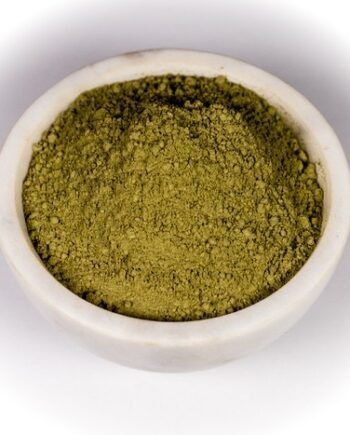
Green Sumatra Kratom Powder
Price range: $5.95 through $81.95 Select options This product has multiple variants. The options may be chosen on the product page -
Green Thai Kratom Powder
Price range: $5.95 through $81.95 Select options This product has multiple variants. The options may be chosen on the product page -
Sale!
Green Thai Kratom Powder – KILO
Original price was: $146.36.$82.50Current price is: $82.50. Select options This product has multiple variants. The options may be chosen on the product page -
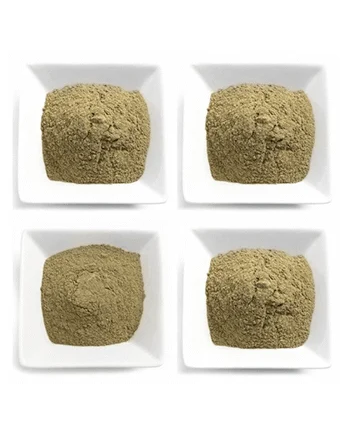
Kratom Powder Sample Pack – (4 Strains)
$59.29 Add to cart -
NEW! Ultra Enhanced Gold Bali Kratom Powder
Price range: $36.30 through $188.76 Select options This product has multiple variants. The options may be chosen on the product page -
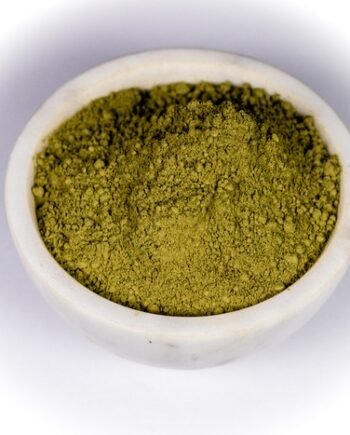
NEW! Ultra Enhanced Green Maeng Da Kratom Powder
Price range: $36.30 through $188.76 Select options This product has multiple variants. The options may be chosen on the product page -
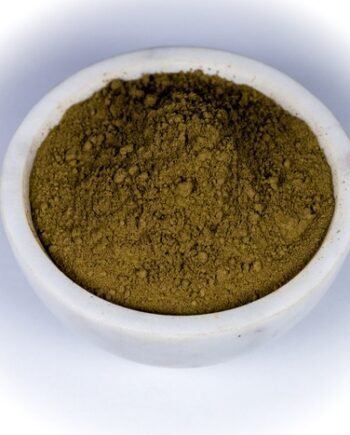
NEW! Ultra Enhanced Red Maeng Da Kratom Powder
Price range: $36.30 through $188.76 Select options This product has multiple variants. The options may be chosen on the product page