Kratom FAQ: Your Complete Guide to Common Questions
If you’ve been hearing about kratom and find yourself curious but confused, you’re not alone. This Southeast Asian botanical has sparked plenty of interest—and plenty of questions. Whether you’re considering kratom for the first time or just want to understand what all the buzz is about, this comprehensive FAQ covers everything you need to know.
In this article, we provide Your Complete Guide to Common Questions about kratom.
The Basics
Your Complete Guide to Common Questions will help you better understand kratom.
Your Complete Guide to Common Questions
This article serves as Your Complete Guide to Common Questions regarding kratom.
Kratom comes from the leaves of Mitragyna speciosa, a tropical tree native to Southeast Asia, particularly Thailand, Malaysia, Indonesia, and Papua New Guinea. The tree is actually part of the coffee family. For centuries, people in these regions have used kratom leaves traditionally—chewing them fresh, brewing them as tea, or using them in various other ways as part of their cultural practices.
Understanding kratom is part of Your Complete Guide to Common Questions to empower users.
What does kratom do?
Kratom contains alkaloids, primarily mitragynine and 7-hydroxymitragynine, that interact with receptors in the brain and body. The effects can vary significantly based on the dose, strain, and individual person, but users commonly report effects ranging from increased energy and focus at lower doses to pain relief and relaxation at higher doses. Some people describe it as having both stimulant-like and opioid-like properties, though it works differently than traditional opioids.
This FAQ is Your Complete Guide to Common Questions about kratom effects.
Why do people use kratom?
People turn to kratom for various reasons. Some use it to manage chronic pain, others for help with energy and focus, and some find it helpful for mood support. There’s also a community of people who have used kratom to help manage opioid withdrawal symptoms, though this should only be attempted under medical supervision.
In our guide, we delve into Your Complete Guide to Common Questions surrounding kratom use.
Types and Strains
What are the different types of kratom?
Kratom is typically categorized by vein color—red, green, and white—which refers to the color of the veins in the leaves before processing. Each color is associated with different effects:
- Red vein is generally considered the most relaxing and is popular for pain relief and sleep support
- Green vein offers a balance between energy and relaxation, often described as the “middle ground”
- White vein tends to be more energizing and is often used for focus and productivity
Within these color categories, you’ll also see different regional names like Maeng Da, Bali, Borneo, Thai, Malay, and others. These names typically refer to either the origin of the kratom or the specific growing conditions.
Does the strain really matter?
This is somewhat debated in the kratom community. While many users swear they can feel distinct differences between strains, others suggest the variations might be more subtle than marketing would have you believe. The vein color does seem to correlate with different alkaloid profiles, but individual batches can vary. Many people find that experimenting with different strains helps them discover what works best for their needs.
For clarity, this is part of Your Complete Guide to Common Questions about kratom strains.
What’s the difference between kratom powder, capsules, and extracts?
Powder is simply ground kratom leaves and is the most common and affordable form. It can be mixed with liquids, made into tea, or taken using the “toss and wash” method (placing powder in your mouth and washing it down with liquid).
When using kratom powder, refer to Your Complete Guide to Common Questions for insights.
Capsules contain kratom powder pre-measured in gelatin or vegetarian capsules. They’re convenient and mask the bitter taste but tend to be more expensive and may take longer to feel effects.
Extracts are concentrated forms of kratom that have been processed to increase potency. They’re stronger than regular powder and should be approached with caution, especially by beginners.
For more detailed information, this is Your Complete Guide to Common Questions for kratom extracts.
Usage and Dosage
How much kratom should I take?
This depends heavily on individual factors including body weight, tolerance, desired effects, and the quality of the kratom. That said, general guidelines suggest:
- Low dose (1-2 grams): May provide mild energy and focus
- Moderate dose (2-4 grams): Balanced effects
- Higher dose (4-6 grams): More pronounced pain relief and relaxation
- Very high dose (6+ grams): Strong sedative effects, increased risk of side effects
Most experienced users recommend starting with 1-2 grams and waiting at least 45 minutes to assess effects before taking more. It’s always easier to take more than to deal with taking too much.
These recommendations form part of Your Complete Guide to Common Questions about dosing.
How long does kratom take to work?
On an empty stomach, most people start feeling effects within 15-30 minutes, with peak effects occurring around 1-2 hours after consumption. If taken with food, it may take longer to feel effects. The duration typically lasts 4-6 hours, though this varies based on dose and individual metabolism.
Understanding timing is pivotal in Your Complete Guide to Common Questions for kratom.
What’s the best way to take kratom?
This comes down to personal preference:
- Toss and wash: Quick but requires getting used to the bitter taste
- Tea: Traditional method that many find gentler on the stomach
- Capsules: Convenient and tasteless but more expensive
- Mixed in drinks: Orange juice, chocolate milk, or smoothies can mask the flavor
- Added to food: Some people mix it into applesauce or yogurt
Should I take kratom on an empty stomach?
Many users report stronger and faster effects when taking kratom on an empty stomach. However, some people find this causes nausea. If you’re new to kratom, you might want to have a light snack beforehand to see how your stomach reacts.
In this section, we highlight Your Complete Guide to Common Questions on taking kratom.
Safety and Side Effects
Is kratom safe?
Kratom has been used traditionally for centuries, and many people use it without significant problems. However, like any substance that affects the body, it does carry risks. The safety profile can depend on factors like dosage, frequency of use, quality of the product, and individual health conditions.
As we explore, this is Your Complete Guide to Common Questions regarding kratom safety.
What are the side effects?
Common side effects, especially at higher doses, can include:
- Nausea and vomiting
- Constipation
- Dizziness or drowsiness
- Dry mouth
- Loss of appetite
- Itching
- Sweating
More serious concerns include potential liver problems with heavy long-term use, though this appears to be relatively rare.
Can you become dependent on kratom?
For dependency concerns, follow Your Complete Guide to Common Questions on kratom usage.
Yes, regular use of kratom can lead to physical dependence, similar to caffeine. People who use kratom daily, especially at higher doses, may experience withdrawal symptoms if they stop suddenly. These can include irritability, anxiety, muscle aches, insomnia, and runny nose. The severity tends to be less intense than withdrawal from traditional opioids but can still be uncomfortable.
Can you overdose on kratom?
While extremely high doses of kratom alone rarely result in fatal overdoses, taking too much can cause severe nausea, vomiting, dizziness, and sedation. The real danger comes from mixing kratom with other substances, particularly other sedatives, opioids, or alcohol. There have been fatalities associated with kratom, though most involved polydrug use.
Knowing the risks is part of Your Complete Guide to Common Questions on kratom dosing.
Does kratom show up on drug tests?
Standard drug tests (5-panel or 10-panel) do not typically screen for kratom. However, specialized tests can detect kratom alkaloids if specifically looking for them. Some organizations do test for kratom specifically, so if you’re subject to drug testing, check what’s being screened for.
Quality and Sourcing
Explore quality standards in Your Complete Guide to Common Questions about kratom sourcing.
How do I find quality kratom?
Since kratom isn’t FDA-regulated, quality can vary significantly. Look for vendors who:
- Provide third-party lab testing results
- Test for contaminants (heavy metals, bacteria, mold)
- Have positive customer reviews and reputation
- Are transparent about their sourcing
- Belong to advocacy organizations like the American Kratom Association (AKA)
Avoid gas station or convenience store kratom, as these products are often lower quality and may contain adulterants.
Why is some kratom so much cheaper than others?
Price considerations are part of Your Complete Guide to Common Questions in kratom.
Price differences often reflect quality, testing standards, and business practices. Very cheap kratom might be old, contaminated, or adulterated. While you don’t need to buy the most expensive option, extremely low prices should raise red flags.
How should I store kratom?
Keep kratom in an airtight container away from light, heat, and moisture. Properly stored kratom can last for months or even years without significant loss of potency. Many people use mason jars or vacuum-sealed bags stored in a cool, dark place.
Legal Questions
Is kratom legal?
In the United States, kratom is legal at the federal level, but some states, counties, and municipalities have banned it. States where kratom is currently illegal include Alabama, Arkansas, Indiana, Rhode Island, Vermont, and Wisconsin. Some cities and counties in other states have also enacted bans.
Internationally, kratom’s legal status varies widely. It’s illegal in Thailand (though there have been recent moves toward legalization), Australia, Malaysia, Myanmar, and several European countries.
Always check your local laws before purchasing or possessing kratom.
Why isn’t kratom FDA-approved?
Legal considerations are key in Your Complete Guide to Common Questions on kratom.
Kratom is sold as a botanical supplement, not as a medication, so it doesn’t go through the FDA approval process. The FDA has expressed concerns about kratom and has warned against its use, citing potential risks and lack of proven medical benefits through clinical trials. The agency has also taken action against vendors making specific health claims.
Interactions and Medical Considerations
Can I take kratom with other medications?
Kratom can potentially interact with various medications, including:
- Other opioids or pain medications
- Benzodiazepines and other sedatives
- Antidepressants (especially MAOIs)
- Blood pressure medications
- Medications metabolized by certain liver enzymes
If you take any medications regularly, consult with a healthcare provider before using kratom.
Should I talk to my doctor about using kratom?
Consulting a doctor is part of Your Complete Guide to Common Questions regarding kratom.
Ideally, yes. While some doctors may not be familiar with kratom or may have concerns about it, being open with your healthcare provider helps ensure your overall safety, especially regarding potential drug interactions. A good doctor should be willing to discuss your interest in kratom and help you weigh the potential risks and benefits.
Are there people who shouldn’t use kratom?
Kratom is generally not recommended for:
-
- Pregnant or breastfeeding women
- People with liver or kidney problems
- Those with a history of substance abuse (though some have used it for recovery)
- People taking medications with potential interactions
- Anyone under 18
For safe usage, refer to Your Complete Guide to Common Questions about who should avoid kratom.
Practical Tips
Why does kratom sometimes not work?
Several factors can affect kratom’s effectiveness:
- Tolerance: Regular use builds tolerance quickly
- Full stomach: Food can significantly delay or reduce effects
- Quality issues: Poor quality or old kratom is less effective
- Dose: Too little won’t have noticeable effects; too much can cause discomfort
- Individual variation: Some people naturally respond better to kratom than others
What is “wobbles” and how do I avoid it?
Avoiding side effects is in Your Complete Guide to Common Questions on kratom use.
“Wobbles” is a term used in the kratom community for an unpleasant side effect involving dizziness, nausea, and sometimes visual disturbances. It typically happens when someone takes too much kratom. To avoid it, start with lower doses, increase gradually, and pay attention to your body’s signals.
How often can I use kratom safely?
There’s no definitive answer, but many experienced users recommend limiting use to prevent tolerance and dependence. Some people use it daily without issues, while others restrict use to a few times per week. Taking regular breaks or “tolerance breaks” can help maintain effectiveness and reduce dependence risk.
Can I mix different kratom strains?
Yes, many people blend different strains to create customized effects. This is common practice in the kratom community and can help you find your ideal balance of energy, pain relief, and relaxation.
Mixing strains can enhance effects, outlined in Your Complete Guide to Common Questions.
The Bottom Line
Kratom is a complex botanical with a long traditional history and a growing modern user base. While many people report positive experiences, it’s not without risks and isn’t right for everyone. Approaching kratom with education, caution, and respect for its effects is essential.
To summarize, this is Your Complete Guide to Common Questions about kratom.
If you decide to explore kratom, start slow, source carefully, stay informed about your local laws, and maintain open communication with healthcare providers. Most importantly, view kratom as one potential tool rather than a cure-all, and be honest with yourself about how it’s affecting your life.
Have more questions? The kratom community is generally welcoming and willing to share experiences, though always take anecdotal information with a grain of salt and verify important details through multiple reliable sources.
Engage with the community as part of Your Complete Guide to Common Questions on kratom.
This FAQ is for informational purposes only and does not constitute medical advice. Always consult with qualified healthcare professionals before using kratom or any supplement, especially if you have health conditions or take medications.
Kratom Powders
Craving Kratom provides the highest quality Kratom and handpicks the most potent strains for our customers. We are partnered with only 5 star trusted suppliers from Indonesia that offer the purest and premium Kratom in the world. All of our Kratom is lab tested to make sure it is clean of contaminants, metals and has the highest alkaloid content. Craving Kratom offers pure Kratom strains as well as very popular blends for the seasoned Kratom clients. We guarantee we have the highest quality Kratom in the industry.
-

Bentuangie Kratom Powder (Red Vein)
Price range: $5.95 through $81.95 Select options This product has multiple variants. The options may be chosen on the product page -
Sale!
Bentuangie Kratom Powder (Red Vein) (KILO)
Original price was: $146.36.$82.50Current price is: $82.50. Select options This product has multiple variants. The options may be chosen on the product page -

Gold Bali Kratom Powder
Price range: $5.95 through $81.95 Select options This product has multiple variants. The options may be chosen on the product page -

Green Maeng Da Kratom Powder
Price range: $5.95 through $81.95 Select options This product has multiple variants. The options may be chosen on the product page -
Sale!
Green Maeng Da Kratom Powder – KILO
Original price was: $146.36.$82.50Current price is: $82.50. Select options This product has multiple variants. The options may be chosen on the product page -
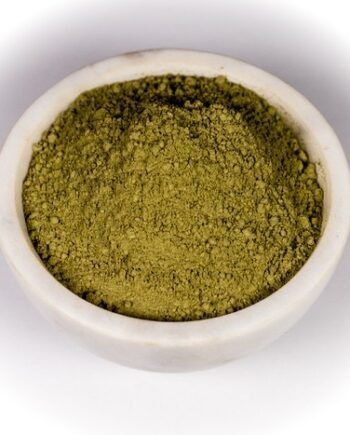
Green Sumatra Kratom Powder
Price range: $5.95 through $81.95 Select options This product has multiple variants. The options may be chosen on the product page -
Green Thai Kratom Powder
Price range: $5.95 through $81.95 Select options This product has multiple variants. The options may be chosen on the product page -
Sale!
Green Thai Kratom Powder – KILO
Original price was: $146.36.$82.50Current price is: $82.50. Select options This product has multiple variants. The options may be chosen on the product page -
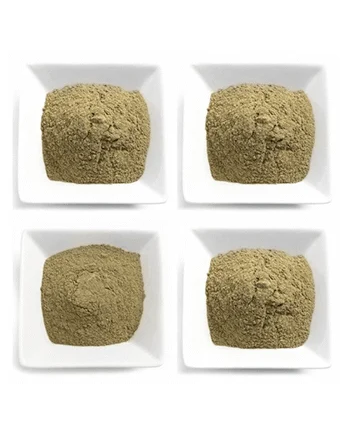
Kratom Powder Sample Pack – (4 Strains)
$59.29 Add to cart -
NEW! Ultra Enhanced Gold Bali Kratom Powder
Price range: $36.30 through $188.76 Select options This product has multiple variants. The options may be chosen on the product page -
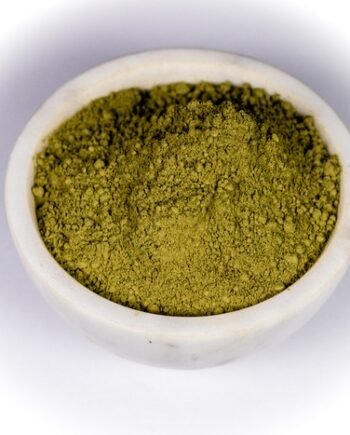
NEW! Ultra Enhanced Green Maeng Da Kratom Powder
Price range: $36.30 through $188.76 Select options This product has multiple variants. The options may be chosen on the product page -
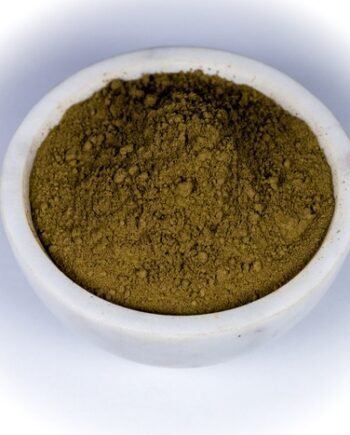
NEW! Ultra Enhanced Red Maeng Da Kratom Powder
Price range: $36.30 through $188.76 Select options This product has multiple variants. The options may be chosen on the product page